
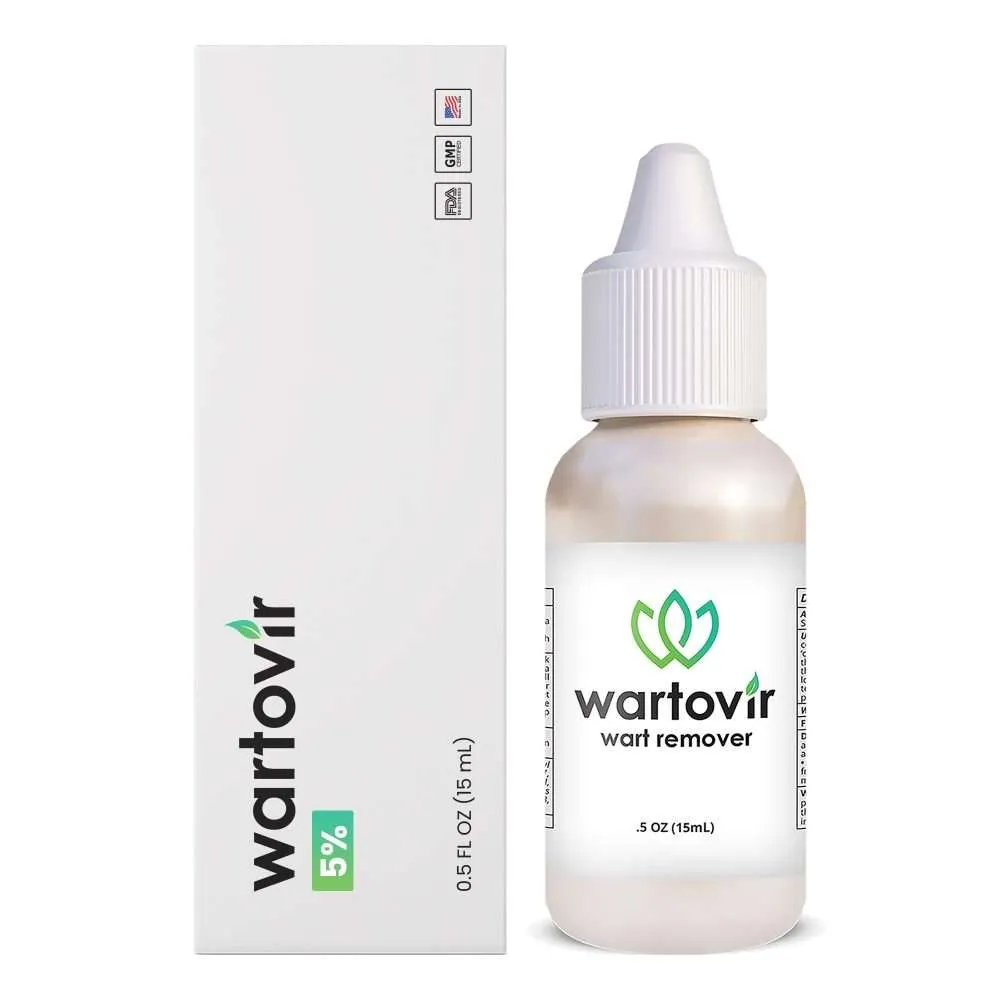
Wartovir
A topical treatment you apply at home — no doctor’s visit required.
$99.95
What are common warts?
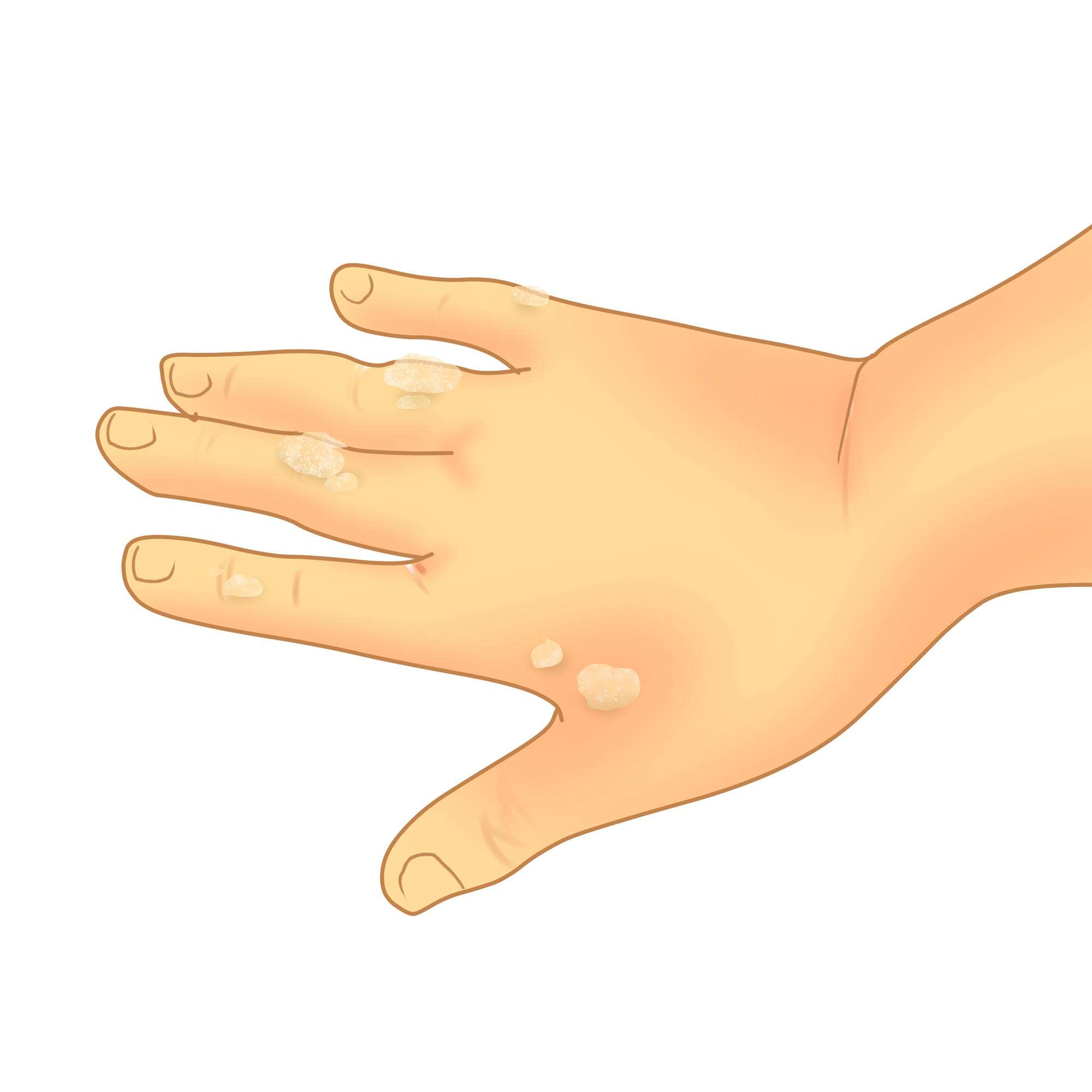
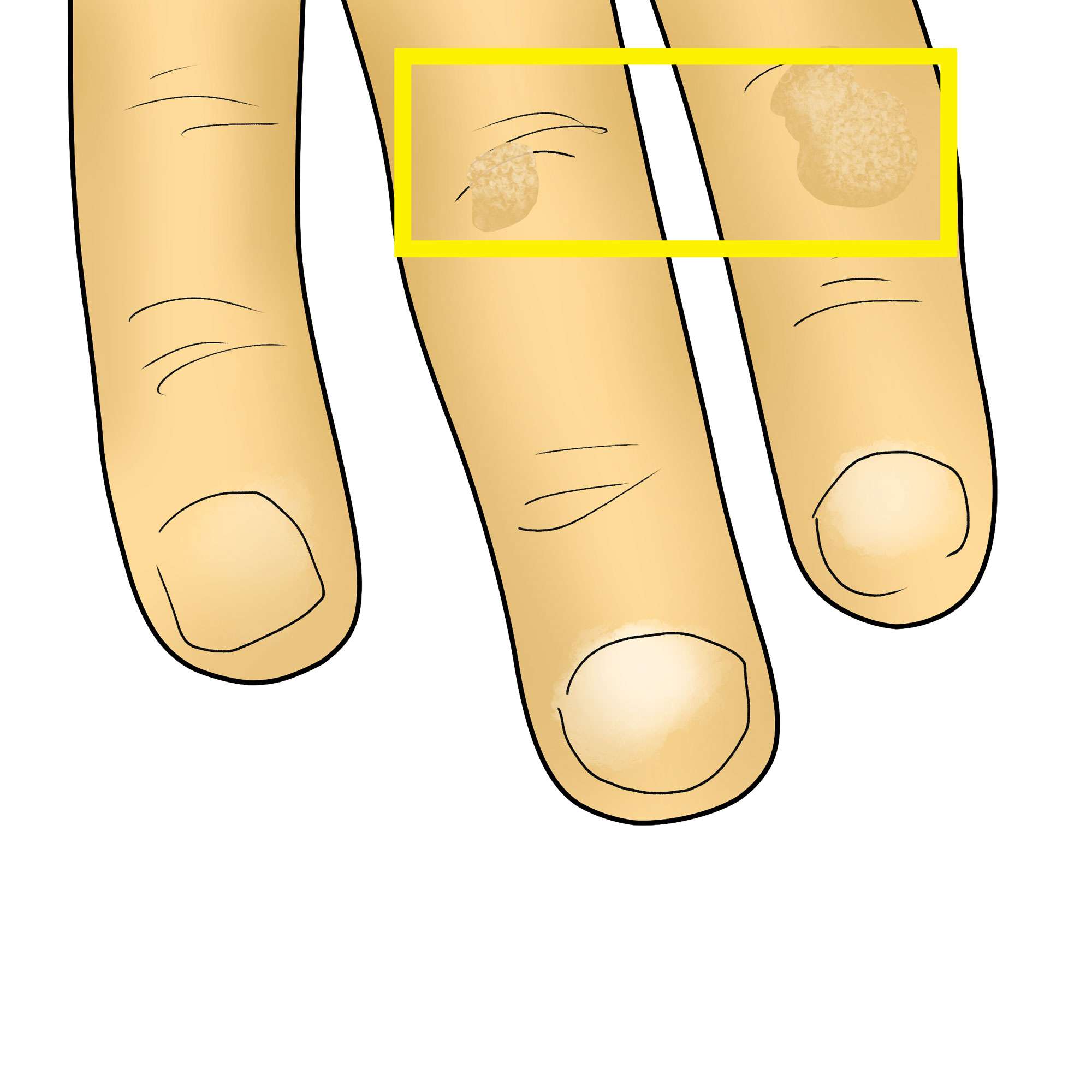
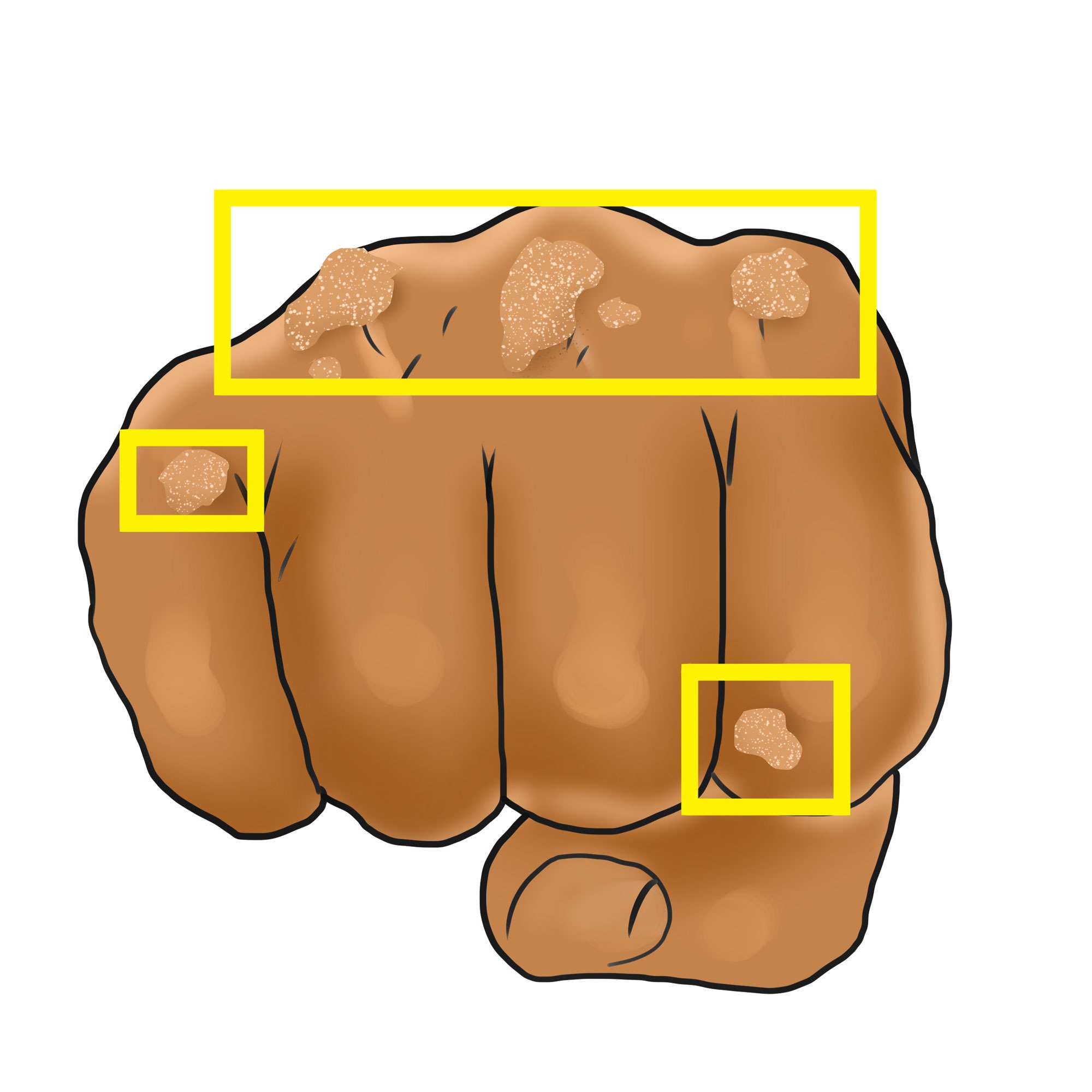
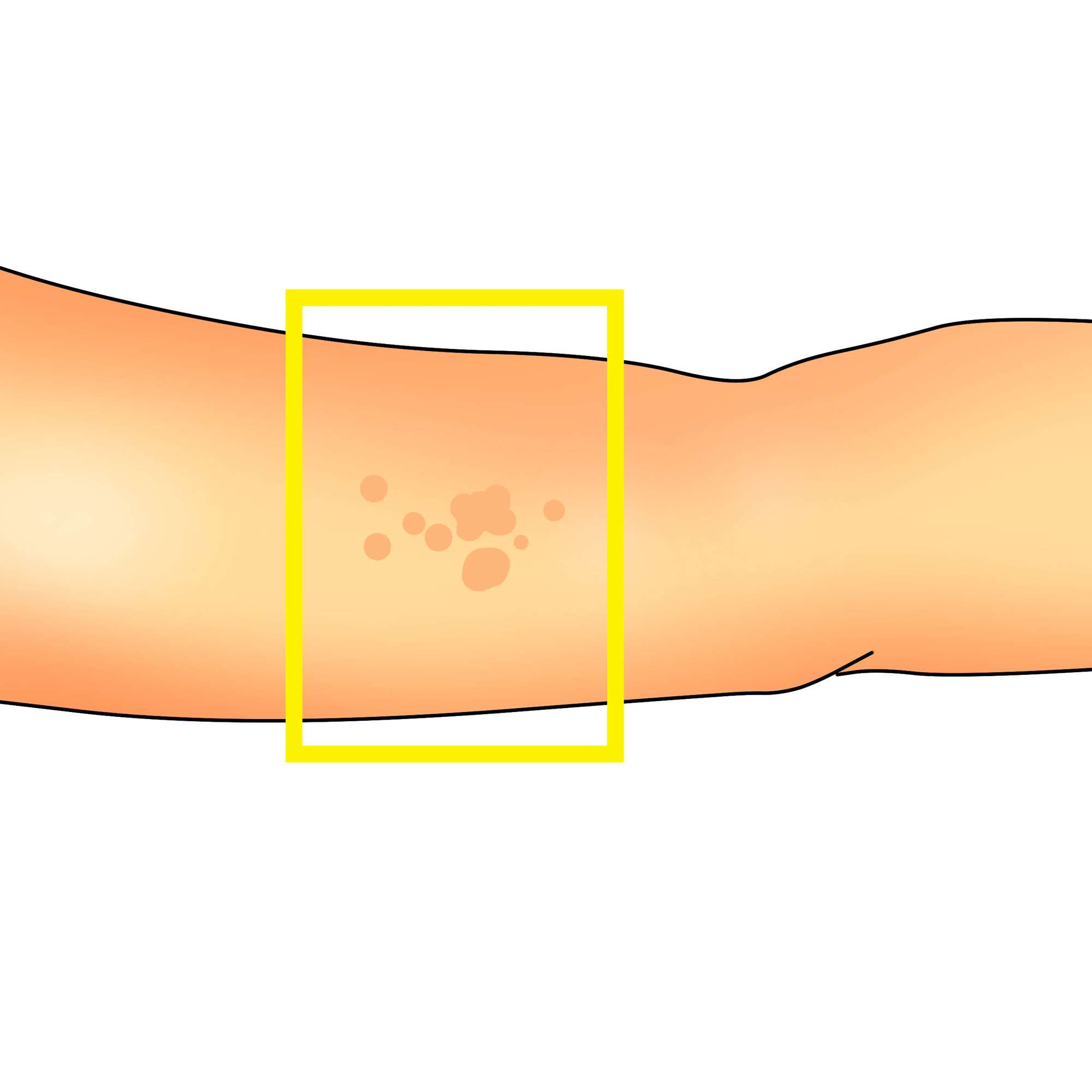
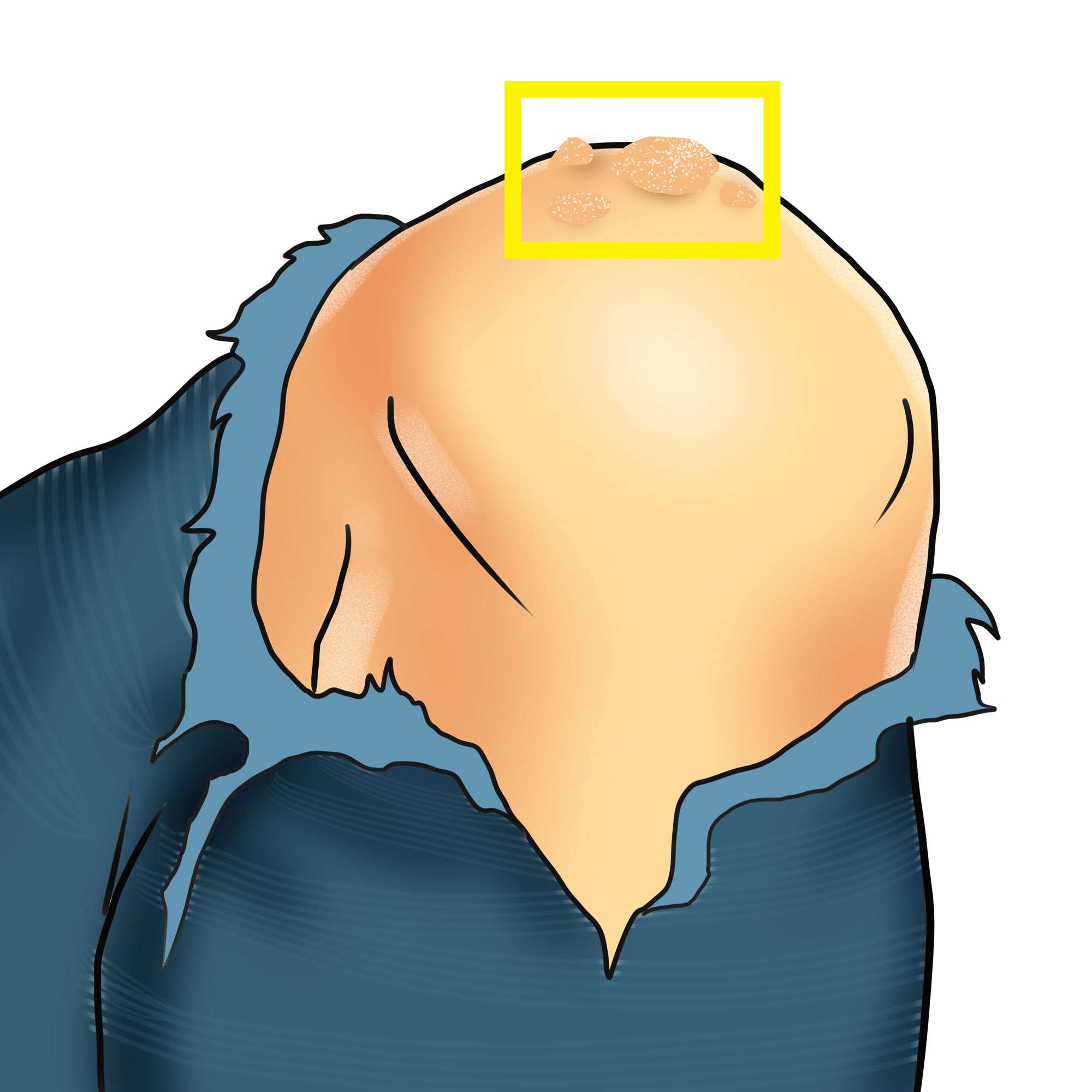
Common warts are small, rough, raised bumps that usually appear on the hands and fingers. They’re caused by certain strains of HPV that enter through tiny breaks in the skin, and they spread through direct contact or shared surfaces like towels, gym equipment, or doorknobs. They’re extremely common — especially in kids and teens — and almost always harmless, even though they can be stubborn to get rid of.
Common warts respond well to at-home treatment. See how Wartovir works →
What causes common warts?
Common warts are caused by human papillomavirus (HPV) entering the skin through small cuts, hangnails, or other tiny breaks — most often on the hands and fingers. Because the virus lives on surfaces for a period of time, it spreads easily through shared towels, gym equipment, doorknobs, or direct contact with someone else’s wart.
- Enters through small breaks in the skin — nail biting and hangnails are common entry points
- Spreads through direct skin contact or shared surfaces, not through the air
- More common in children and teens, whose immune systems haven’t yet built resistance to these HPV strains
- Can spread to other parts of your own body through scratching or picking at an existing wart
Warts can take weeks or months to appear after exposure, so there’s often no obvious moment of “catching” one.
Symptoms to look out for
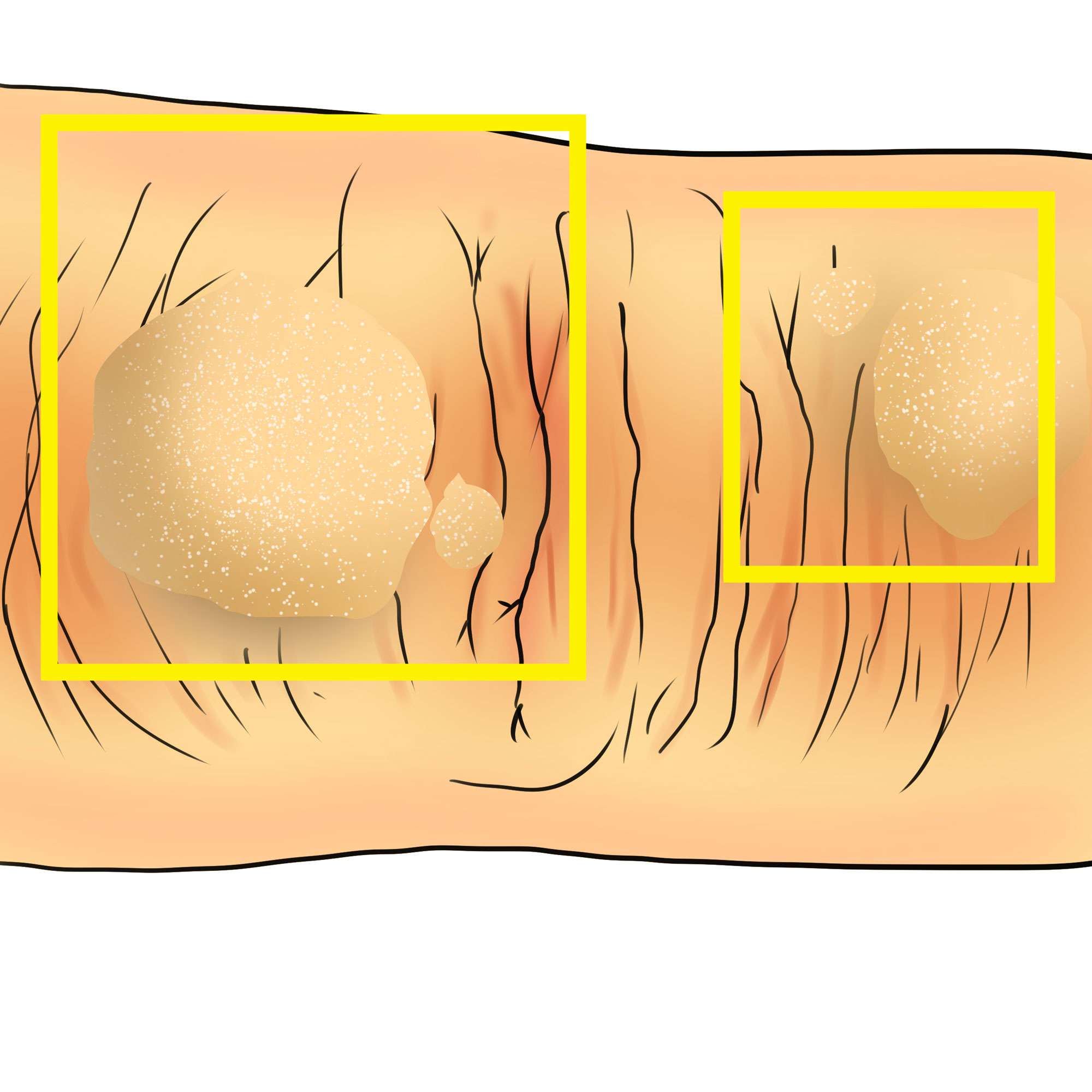
- Small, rough, grainy bumps, usually on fingers, hands, or knuckles
- Tiny black dots within the wart (small, clotted blood vessels)
- Occasional tenderness, especially if the wart is bumped or picked at
- Warts that multiply or cluster if left untreated
Common warts can take weeks or months to appear after exposure, and often multiply if left untreated. If you notice a rough bump that’s growing or spreading, it’s worth confirming what you’re dealing with.
How are common warts diagnosed?
Common warts are almost always diagnosed by sight — a provider (or often you, at home) can usually tell from the wart’s rough, grainy texture and characteristic black dots. No lab test is typically needed. If a growth looks unusual, changes rapidly, or doesn’t respond to treatment, a provider may take a closer look or a small biopsy to rule out other skin conditions.
A callus can sometimes be mistaken for a wart, or vice versa — one simple way to tell them apart is that warts tend to interrupt the natural lines of your skin, while calluses don’t.
How treatment works
From first application to clear skin
Wartovir’s topical formula works with your body beginning on just day 1 — no needles, no numbing cream, no waiting room.
Ships in discreet packaging
Is at-home treatment right for you?
Often a reasonable start
- A small number of warts on the hands or fingers
- Want to avoid an in-person exam first
- Looking for a lower-cost, no-prescription option
See a provider instead
- Warts are on the face or near the eyes
- Warts are painful, bleeding, or rapidly multiplying
- You’re immunocompromised or have diabetes
Can common warts be prevented?
You can’t fully eliminate the risk since HPV is so widespread, but a few habits meaningfully lower your chances of getting or spreading common warts:
- Avoid biting nails or picking at hangnails and cuticles, which create easy entry points for the virus
- Don’t share towels, nail clippers, or razors with someone who has visible warts
- Cover an existing wart with a bandage to reduce the chance of spreading it to other areas or people
- Wash hands regularly, especially after touching a wart
Having common warts once doesn’t grant future immunity — they can recur or new ones can form, especially if the habits above (like nail biting) continue.
What customers are saying
“Had a wart on my finger for months. Gone within two weeks of using this daily.”
Verified buyer
“Easy to fit into a normal routine. No appointment, no fuss.”
Verified buyer
“Tried a few other things first. This is the one that actually worked.”
Verified buyer
Frequently asked questions
Do common warts go away on their own?
Sometimes, especially in children, but it can take months to years. Treatment speeds things up and helps prevent them from spreading to other areas or people.
Are common warts contagious?
Yes — they spread through direct skin contact or shared surfaces. Covering the wart and avoiding picking at it can help prevent spreading it further.
What’s the difference between a wart and a callus?
Calluses form from repeated friction or pressure and follow the natural lines of your skin. Warts interrupt those skin lines and often show small black dots — clotted blood vessels — that calluses don’t have.
Why do I keep getting new warts?
Warts can spread to other parts of your own body through scratching, picking, or nail biting, which is why treating the original wart and breaking those habits both matter.
Can adults get common warts, or is it just kids?
Adults can absolutely get them too — they’re just more frequent in children and teens, whose immune systems haven’t built up as much resistance to these HPV strains yet.
Is it safe to treat a wart on my own, or should I see a doctor?
For a small number of warts on the hands, at-home treatment is generally a reasonable first step. See a provider if the wart is painful, spreading rapidly, on your face, or if you have diabetes or a weakened immune system.
How long does Wartovir take to work?
Most customers see visible change within a few days, with total treatment time being 1-3 weeks.
Start treating your warts today
Join 62,000+ customers who treated their warts privately at home.