
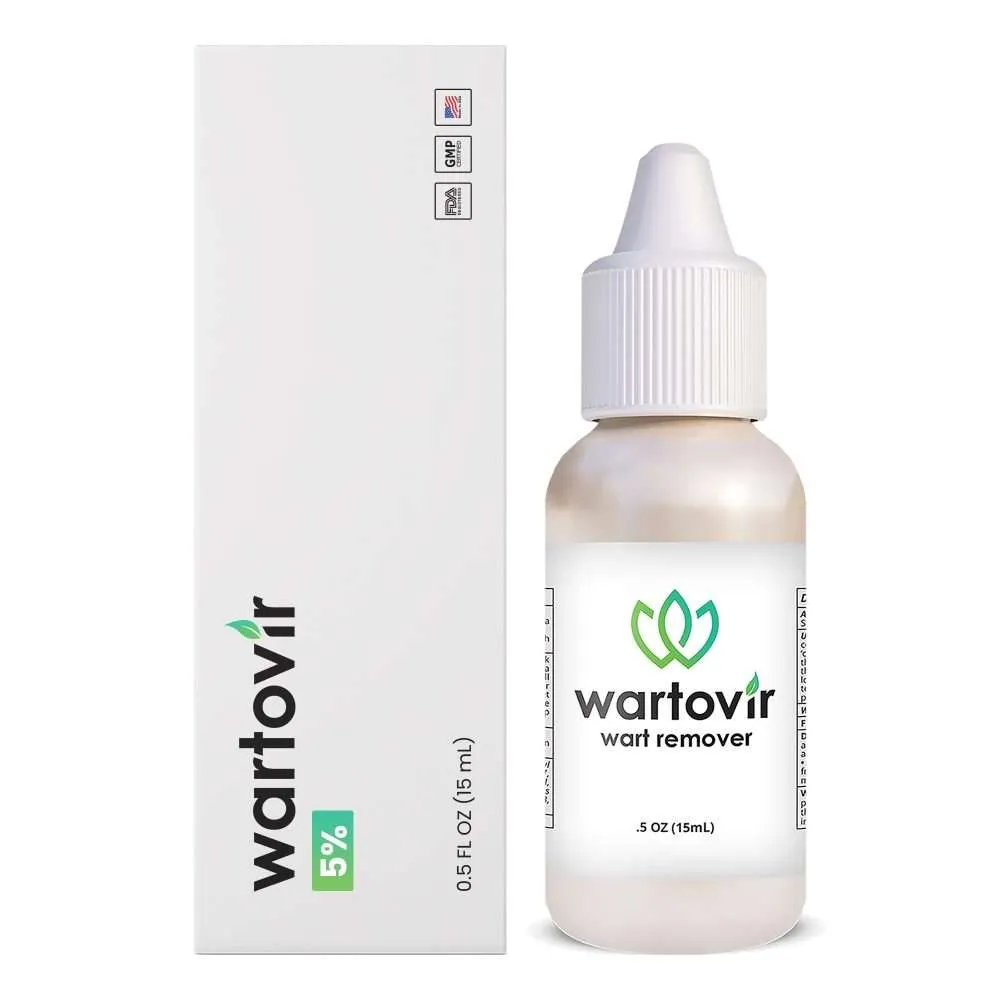
Wartovir
A topical treatment you apply at home — no doctor’s visit required.
$99.95
What are plantar warts?
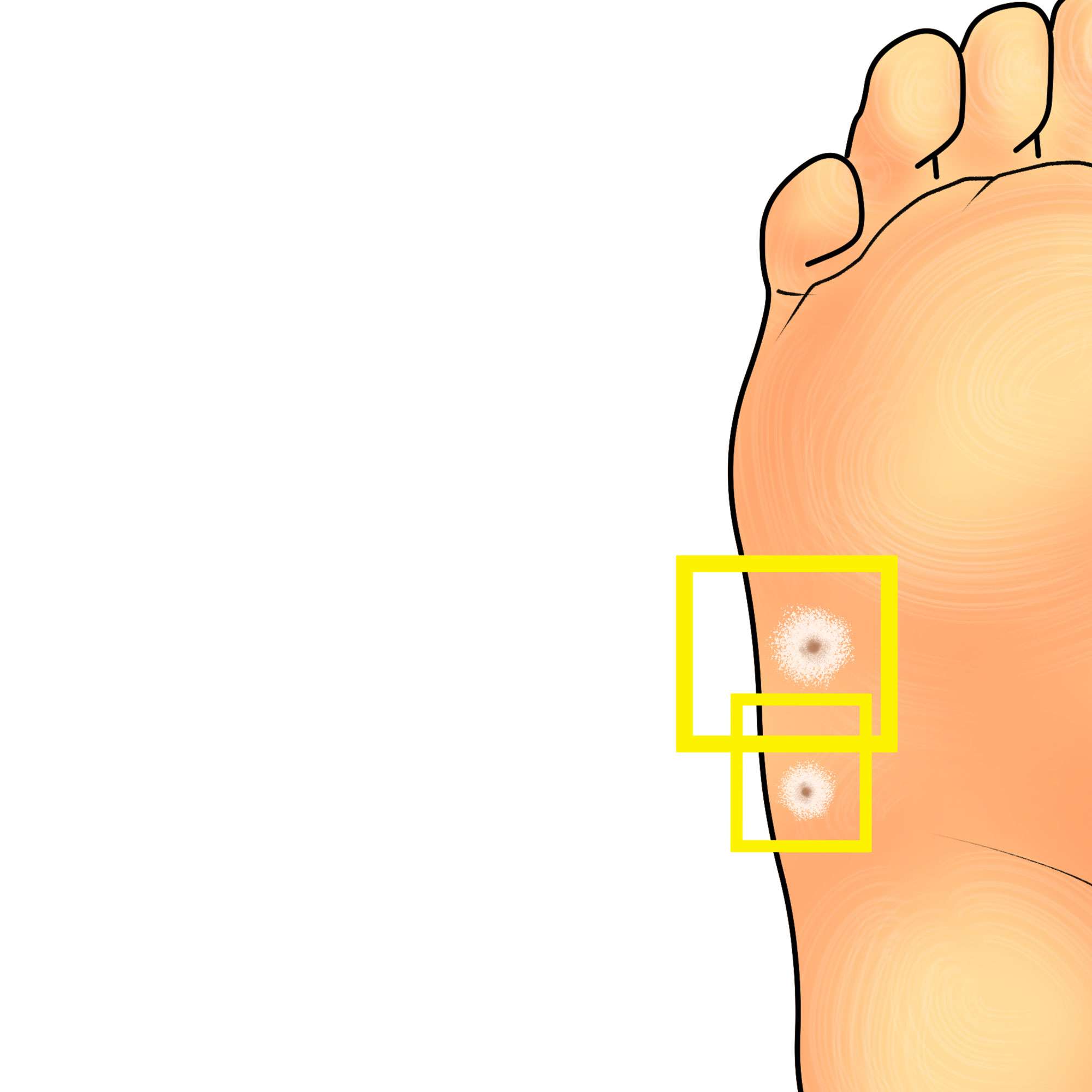
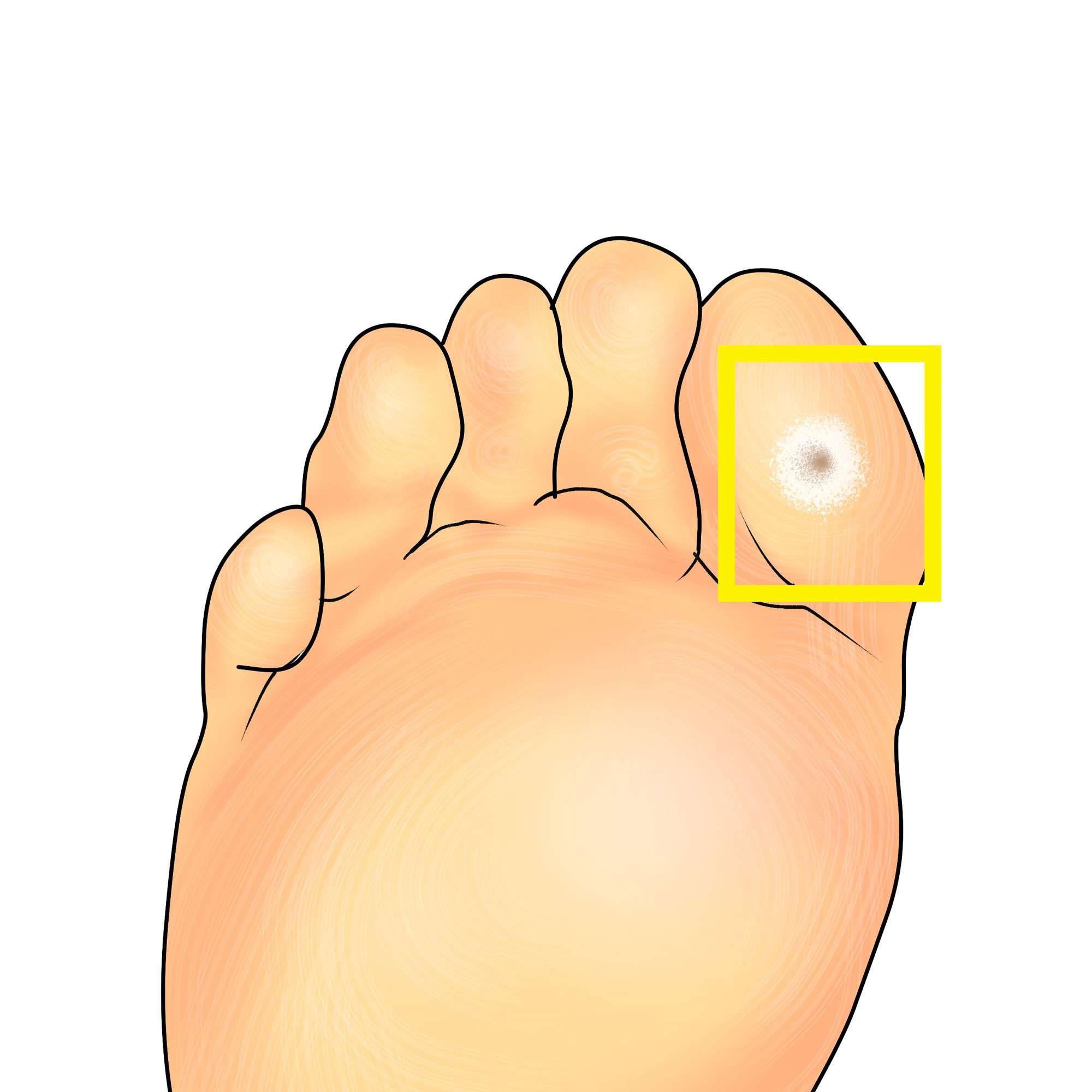
Plantar warts are small, rough growths that appear on the sole of the foot, caused by certain strains of HPV entering through tiny cuts or breaks in the skin. They’re commonly picked up barefoot in communal areas like pools, locker rooms, and showers, and can be pushed inward by the pressure of walking, sometimes forming a callus-like layer over the wart itself.
Plantar warts respond well to at-home treatment. See how Wartovir works →
What causes plantar warts?
Plantar warts are caused by human papillomavirus (HPV) entering the skin through small cuts or cracks on the sole of the foot — often ones too small to notice. The virus thrives in warm, damp environments, which is why locker rooms, public showers, and pool decks are common places to pick it up.
- Enters through small breaks in the skin, often invisible to the eye
- Spreads easily on damp, shared surfaces like pool decks, locker rooms, and public showers
- More likely with prolonged barefoot exposure to communal wet areas
- Can spread to other areas of the same foot, or the other foot, through contact
Warts can take weeks or months to appear after exposure, so there’s often no clear moment of “catching” one.
Symptoms to look out for
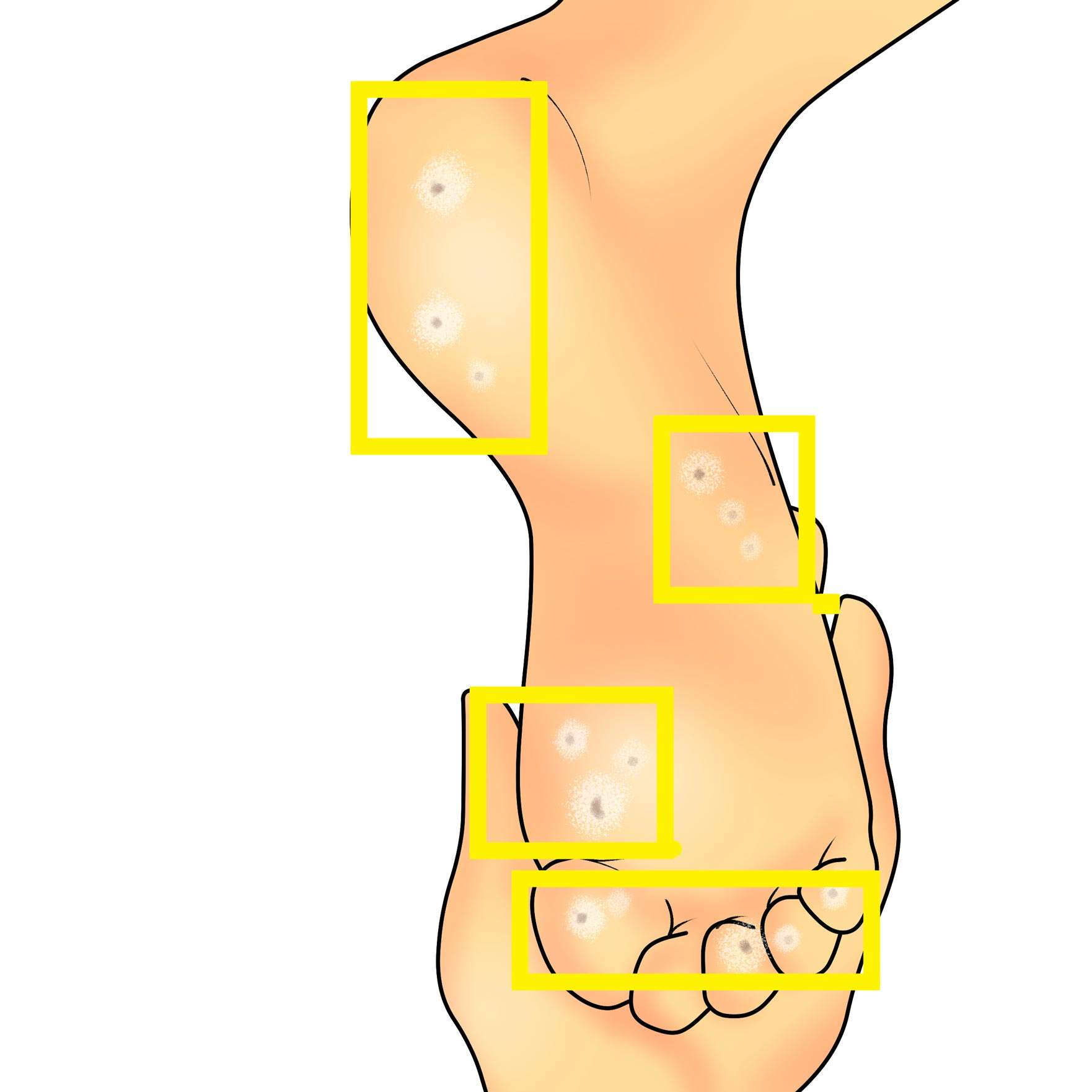
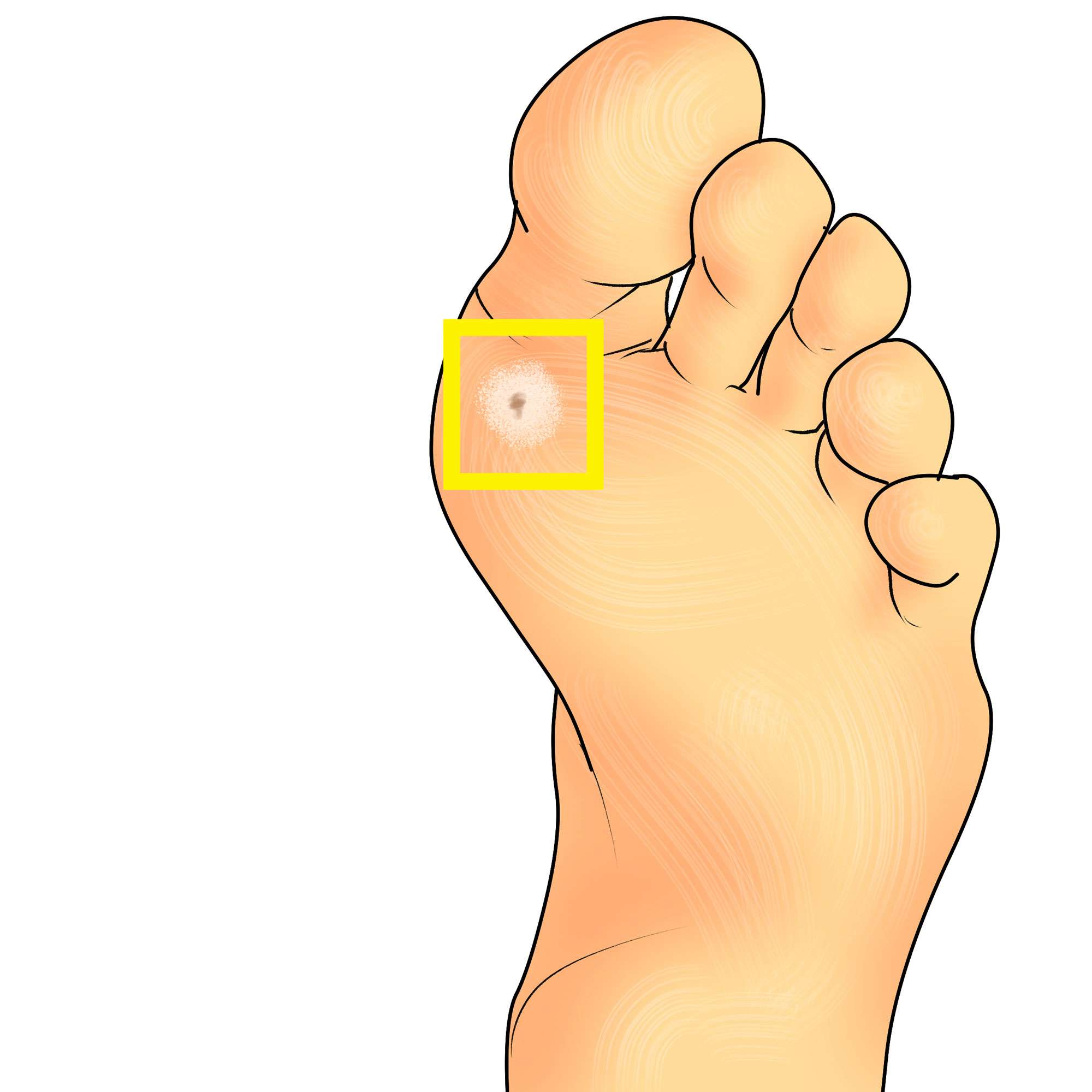
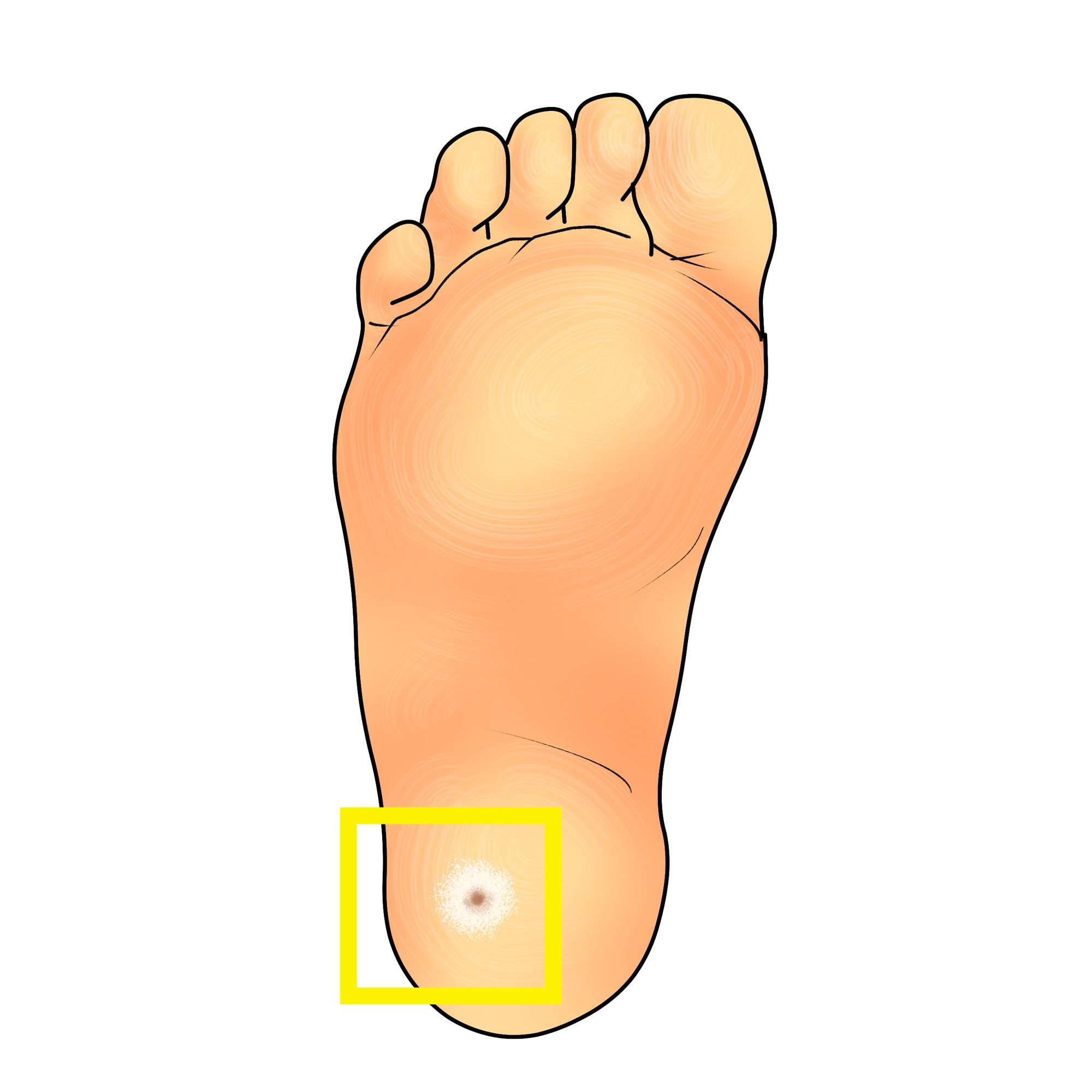
- Small, rough, skin-colored lesions on the sole, often near the heel or ball of the foot
- Tiny black dots within the wart, sometimes called “wart seeds” (clotted blood vessels)
- Pain or tenderness when walking or standing, especially on weight-bearing areas
Plantar warts can look and feel like a callus, which makes them easy to mistake at first. If you notice a rough, tender spot on the sole of your foot that doesn’t go away, it’s worth confirming what you’re dealing with.
How are plantar warts diagnosed?
Most plantar warts can be diagnosed by sight — a provider looks for the rough texture and characteristic black dots, and may gently pare down the surface to confirm, since that reveals the dots more clearly than a callus would show. No lab test is typically needed. If the diagnosis is unclear or the growth doesn’t respond to treatment, a small biopsy can rule out other skin conditions.
One quick way to tell a wart from a callus at home: warts tend to interrupt the natural skin lines on the sole of your foot, while calluses follow them.
Is at-home treatment right for you?
Often a reasonable start
- A small number of warts on the sole of the foot
- Want to avoid an in-person exam first
- Looking for a lower-cost, no-prescription option
See a provider instead
- Warts are severely painful or interfering with walking
- Warts are spreading or growing in clusters
- You have diabetes, poor circulation, or are immunocompromised
Can plantar warts be prevented?
You can’t eliminate the risk entirely, but a few habits meaningfully lower your chances of getting or spreading plantar warts:
- Wear sandals or shower shoes in locker rooms, public showers, and around pools
- Keep feet clean and dry, and change socks regularly
- Avoid sharing shoes, socks, or towels with someone who has a visible wart
- Cover an existing wart with a bandage, especially before swimming or showering in shared spaces
Having a plantar wart once doesn’t grant future immunity — new ones can form, especially with continued barefoot exposure in communal wet areas.
What customers are saying
“Walking was painful before I started. Noticeable difference within two weeks.”
Verified buyer
“Easy to apply before bed and forget about it. No appointment needed.”
Verified buyer
“Had this wart on my heel for over a year. Wish I’d found it sooner.”
Verified buyer
Frequently asked questions
Do plantar warts go away on their own?
Sometimes, but it can take one to two years. Treatment speeds things up and helps reduce pain and the chance of the wart spreading.
Are plantar warts contagious?
Yes — they spread through direct contact with the virus, often via damp shared surfaces like pool decks and locker rooms. Wearing shower shoes in these areas lowers your risk.
Why do plantar warts hurt more than other warts?
Because they’re on a weight-bearing part of the foot, the pressure of standing and walking pushes them inward, which can make them more tender than warts elsewhere on the body.
How can I tell a plantar wart from a callus?
Calluses follow the natural lines of your skin, while warts interrupt those lines and often show small black dots — clotted blood vessels — that calluses don’t have.
Is it safe to treat a plantar wart on my own, or should I see a podiatrist?
For a small number of warts, at-home treatment is generally a reasonable first step. See a provider if the wart is severely painful, spreading, or if you have diabetes or poor circulation.
How long does Wartovir take to work?
Most customers see visible change within a few days, with total treatment time being 1-3 weeks.
Start treating your warts today
Join 62,000+ customers who treated their warts privately at home.